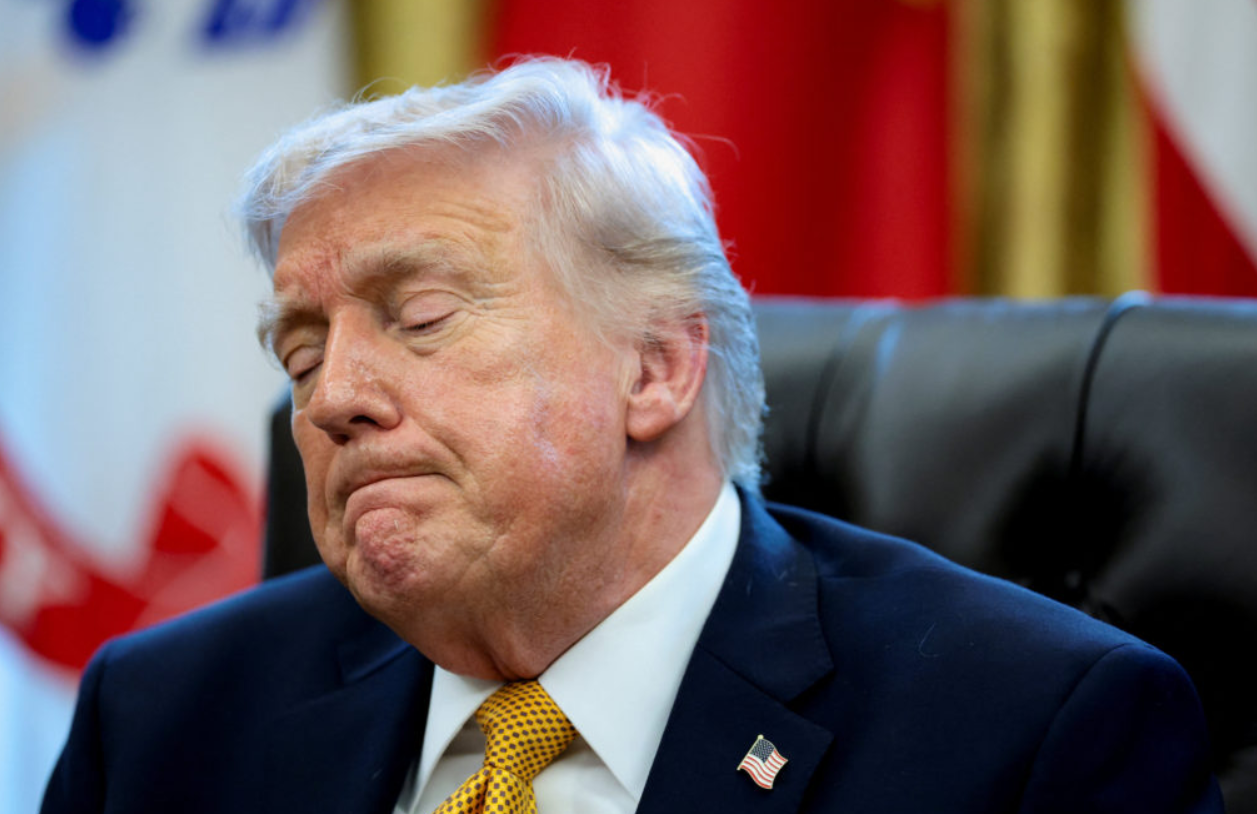
The top political news headlines 2026 are shaping a rapidly changing world. From global conflicts to high-stakes elections and economic tensions, political developments this year are influencing everything from energy prices to international alliances.
In this article, we break down the latest global political updates and provide insights into what they mean for the future.
Global Conflicts Reshaping International Relations
One of the most critical stories dominating 2026 is the escalating conflict involving the United States, Israel, and Iran. Recent military strikes and retaliatory actions have intensified instability across the Middle East.
Missile and drone attacks have already caused injuries and disrupted global oil supply routes, especially around the Strait of Hormuz—one of the world’s most important energy corridors.
This conflict is not just regional. It has triggered global consequences, including rising fuel prices, supply chain disruptions, and increased military readiness among Western allies.
At the same time, protests and unrest have spread in countries like Iraq, highlighting how geopolitical tensions can quickly spill across borders and impact civilian populations.
Europe Faces Political Tensions and Key Elections
Europe is currently experiencing a wave of political uncertainty, with several major developments unfolding at once.
In Italy, Prime Minister Giorgia Meloni is facing a crucial referendum on judicial reform. The vote has turned into a major test of her leadership, with critics warning that the proposed changes could threaten judicial independence.
Meanwhile, Slovenia is heading into a tight election battle between competing political forces, reflecting growing polarization across Europe.
In Denmark, Prime Minister Mette Frederiksen is seeking another term while dealing with domestic criticism and economic challenges.
These developments show how European politics in 2026 is increasingly shaped by internal divisions, economic pressures, and shifting alliances.
United Kingdom: Leadership Challenges and Public Opinion
In the United Kingdom, Prime Minister Keir Starmer is facing declining approval ratings despite a strong electoral victory just over a year ago.
Public dissatisfaction has grown due to economic stagnation, policy reversals, and controversial political decisions.
This shift highlights a broader trend seen globally—voters are becoming less patient with governments that fail to deliver quick economic and social improvements.
Global Power Shifts and Strategic Rivalries
Beyond Europe and the Middle East, 2026 is also marked by major shifts in global power dynamics.
The United States continues to play a dominant role in international affairs, including military operations and economic strategies. Meanwhile, countries like Canada and other middle powers are calling for stronger cooperation to counterbalance shifting global influence.
At the World Economic Forum, leaders emphasized that the traditional global order is being challenged by new economic and geopolitical realities. This includes trade tensions, supply chain competition, and rising nationalism.
These shifts suggest that the world is moving toward a more fragmented and competitive international system.
Energy Crisis and Economic Impact
Politics and economics are deeply connected in 2026, especially when it comes to energy.
The ongoing Middle East tensions have directly impacted global energy markets. Fuel prices are rising, and governments are being forced to consider new policies to protect consumers and stabilize economies.
European leaders are already discussing measures to control energy costs, while airlines and industries warn of higher prices and potential disruptions.
This highlights how political decisions can quickly translate into real-world economic consequences for everyday people.
Why 2026 Is a Pivotal Year for Politics
The top political news headlines 2026 reveal several key trends:
- Increasing geopolitical conflicts
- Rising political polarization
- Growing economic uncertainty
- Stronger influence of global alliances
Elections, referendums, and leadership battles are not just local events—they have global implications that affect trade, security, and international cooperation.
What This Means for the Future
Looking ahead, the political landscape is likely to remain volatile. Governments will face pressure to balance domestic needs with international responsibilities.
Key questions include:
- Will global conflicts escalate or stabilize?
- Can economies recover from rising costs?
- How will voters respond to ongoing political challenges?
The answers to these questions will define the direction of global politics in the coming years.
Final Thoughts
The top political news headlines 2026 highlight a world in transition. From conflicts in the Middle East to political shifts in Europe and beyond, today’s events are shaping tomorrow’s reality.
For readers in the United States and around the world, staying informed is more important than ever. Political decisions made today will influence global stability, economic growth, and everyday life for years to come.

One Comment on “Top Political News Headlines 2026: Global Analysis and Insights”