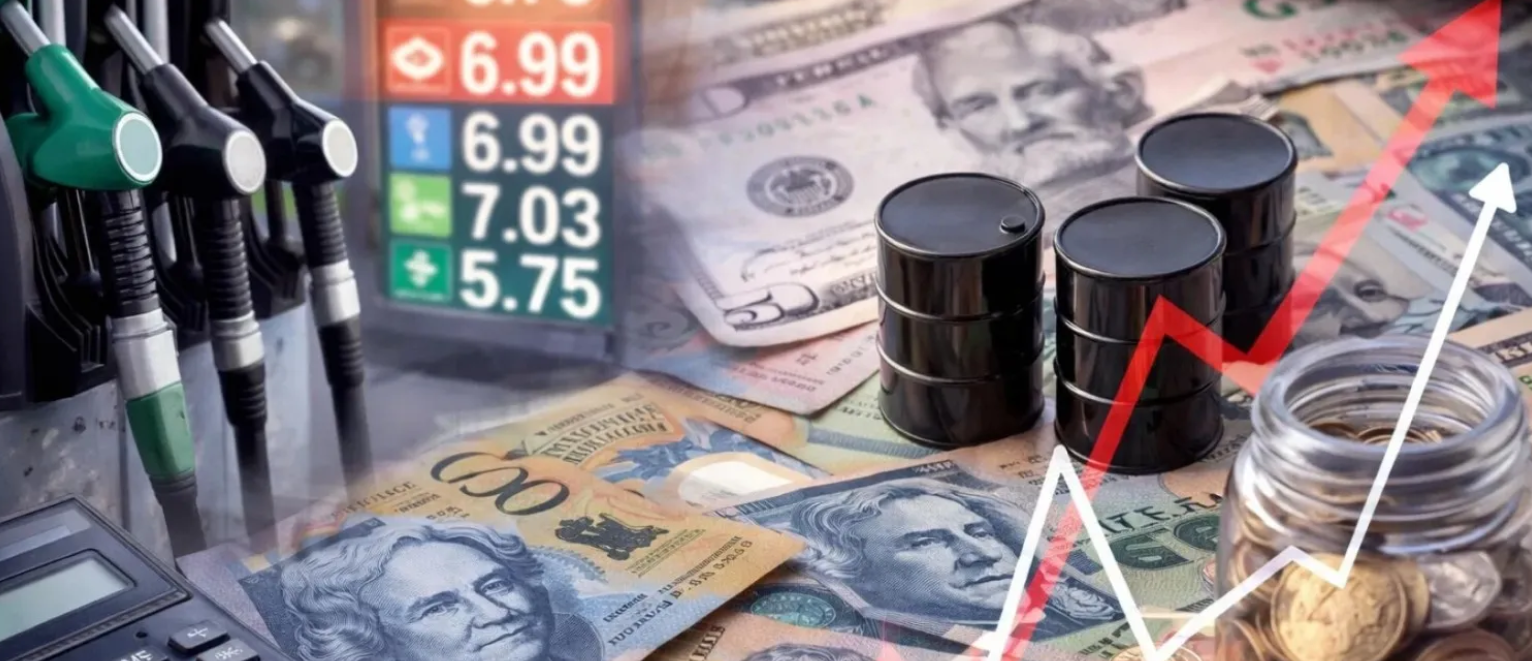
The oil prices surge 2026 USA inflation trend is quickly becoming one of the most important economic stories of the year. With global oil prices climbing sharply due to geopolitical tensions and supply disruptions, Americans are once again facing rising costs—not just at the gas pump, but across nearly every part of daily life.
From transportation to groceries, higher oil prices are fueling inflation and putting pressure on both households and businesses.
What’s Causing Oil Prices to Surge in 2026?
The latest spike in oil prices is largely driven by global instability. Conflicts in key oil-producing regions have disrupted supply chains and created uncertainty in the energy market.
Several major factors are contributing to the surge:
- Ongoing tensions in the Middle East affecting production
- Damage to critical oil infrastructure
- Reduced exports from major suppliers
- Increased global demand as economies recover
As a result, crude oil prices have surged past the $100 mark, with analysts warning that prices could climb even higher if disruptions continue.
Rising Gas Prices Across the United States
One of the most immediate effects of rising oil prices is the increase in gasoline costs. As crude oil becomes more expensive, gas prices follow closely behind.
For American consumers, this means:
- Paying more at the pump each week
- Higher commuting and travel expenses
- Increased delivery and shipping costs
These rising costs are especially challenging for middle- and lower-income households, where fuel expenses take up a larger portion of monthly budgets.
How Oil Prices Impact US Inflation
The connection between oil prices and inflation is strong and direct. When energy costs rise, they influence nearly every sector of the economy.
Energy Costs Increase
Gasoline, heating oil, and electricity become more expensive, directly raising consumer expenses.
Transportation Gets Costlier
Businesses face higher fuel costs for shipping goods, which leads to increased prices for products.
Food Prices Go Up
Agriculture relies heavily on fuel for production and transportation, making groceries more expensive.
Consumer Spending Changes
As people spend more on essentials like gas, they have less money for other purchases, slowing economic activity.
Because of these factors, economists expect inflation in the United States to remain elevated throughout 2026 if oil prices stay high.
The Federal Reserve’s Dilemma
The Federal Reserve plays a key role in managing inflation, but rising oil prices make this task more complicated.
Normally, the Fed might raise interest rates to control inflation. However, higher rates can also slow economic growth. With oil prices already putting pressure on consumers, aggressive rate hikes could increase the risk of a slowdown.
This creates a difficult balancing act:
- Control inflation without triggering a recession
- Support economic growth while managing rising costs
Markets are watching closely as policymakers decide their next moves.
Impact on the US Economy
The oil price surge is affecting more than just inflation—it’s influencing the entire economic landscape.
Higher Cost of Living
Americans are paying more for essentials like fuel, food, and utilities, reducing overall purchasing power.
Business Challenges
Companies face higher operating costs, which can lead to price increases or reduced profits.
Stock Market Volatility
Investors often react negatively to rising oil prices, leading to fluctuations in the stock market.
Slower Economic Growth
When consumers cut back on spending, economic growth can slow, affecting jobs and income levels.
What Could Happen Next?
The future of oil prices depends largely on global events. If geopolitical tensions ease and supply stabilizes, prices could come down. However, continued disruptions may keep oil prices elevated throughout the year.
Experts suggest two main scenarios:
- Stabilization: Oil prices gradually decline, easing inflation
- Prolonged Surge: Prices remain high, keeping inflation elevated
For now, uncertainty remains high, making it difficult to predict exactly how the situation will unfold.
Conclusion
The oil prices surge 2026 USA inflation situation is having a major impact on the U.S. economy. Rising energy costs are driving inflation, increasing everyday expenses, and creating challenges for policymakers and consumers alike.
As the year progresses, all eyes will be on global oil markets and economic policy decisions. For Americans, staying informed and adjusting budgets may be essential as the effects of higher oil prices continue to unfold.




One Comment on “Oil Prices Surge 2026: How It’s Driving US Inflation”