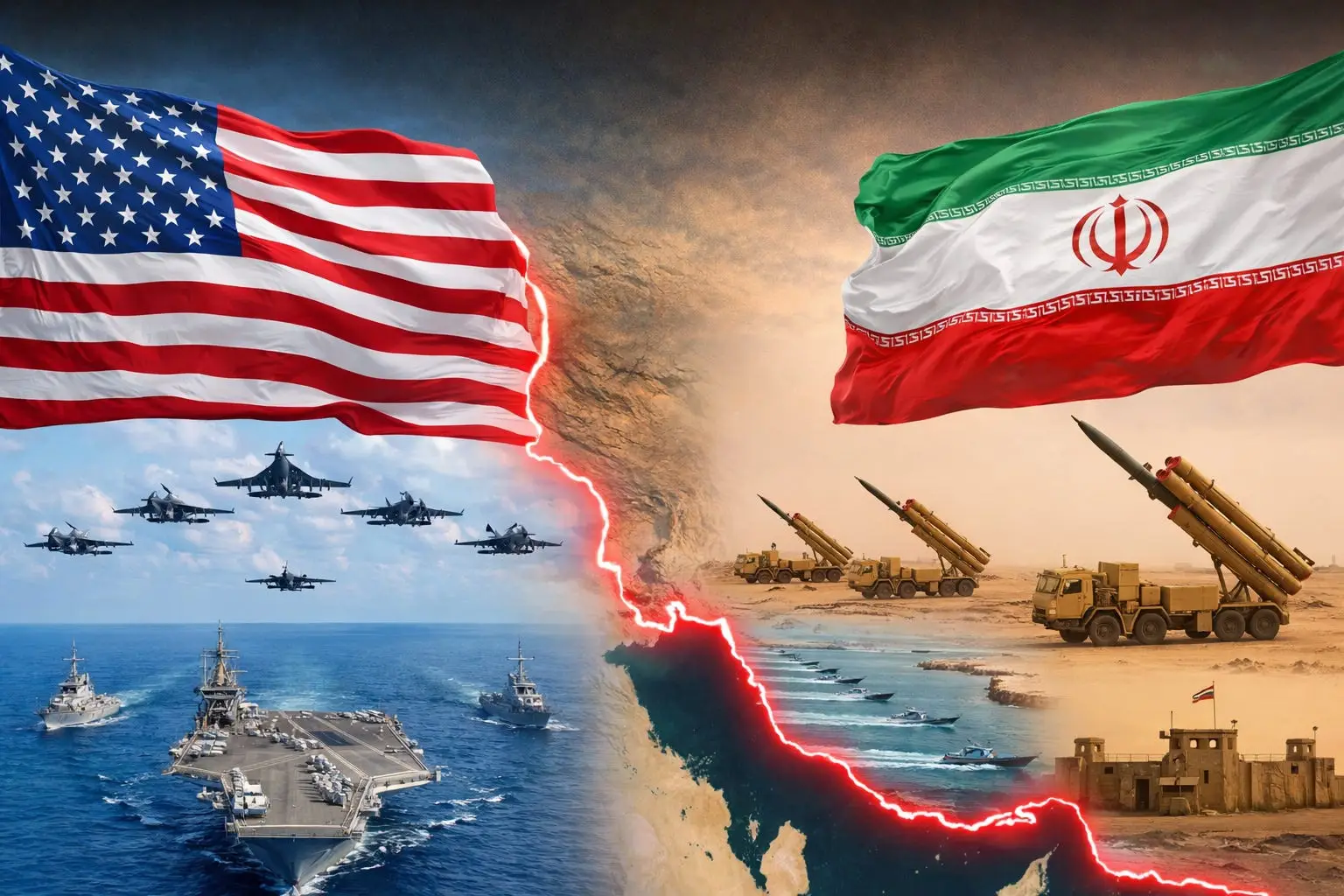
The middle east tensions USA today topic is dominating global headlines in 2026 as conflicts intensify across the region. Rising instability involving countries like Iran and Israel is drawing in the United States and raising concerns about global security, oil prices, and economic stability.
For Americans, these tensions are not just distant events—they have real impacts on fuel costs, inflation, and foreign policy decisions.
What’s Driving Middle East Tensions in 2026?
Several factors are fueling the current crisis in the Middle East. Long-standing rivalries, political instability, and military actions have created a volatile environment.
Key drivers include:
- Escalating conflict between Iran and Israel
- Attacks on critical infrastructure and military targets
- Proxy conflicts involving regional groups
- Disputes over nuclear development and sanctions
The situation has become increasingly unpredictable, with both sides showing willingness to escalate if necessary.
The Role of the United States
The United States plays a major role in the region, both politically and militarily. In 2026, U.S. involvement has increased as tensions rise.
American actions include:
- Deploying military assets to the region
- Supporting allies such as Israel
- Conducting targeted strikes against perceived threats
- Engaging in diplomatic efforts to reduce conflict
U.S. officials have emphasized that their goal is to prevent a broader war while protecting national interests and allies.
Impact on Oil Prices and Inflation
One of the biggest concerns linked to middle east tensions USA today is the effect on global oil markets. The Middle East is a critical hub for oil production and transportation.
As tensions rise, oil prices tend to increase due to fears of supply disruptions.
This leads to:
- Higher gasoline prices in the United States
- Increased transportation and shipping costs
- Rising prices for goods and services
- Added pressure on inflation
For American households, this means higher everyday expenses, from fuel to groceries.
Military Developments and Security Risks
The risk of military escalation remains high. Recent developments have included:
- Airstrikes targeting military facilities
- Naval activity in key shipping routes
- Heightened alert levels among U.S. forces
- Increased defense spending
The Strait of Hormuz, a vital oil shipping route, remains a major point of concern. Any disruption there could significantly impact global energy supplies.
Security experts warn that even a small incident could trigger a larger conflict involving multiple countries.
Political Reactions in the United States
The situation in the Middle East has sparked debate within U.S. politics.
Lawmakers are divided on how to respond:
- Some support strong military action to deter threats
- Others advocate for diplomacy and restraint
- Concerns about war powers and congressional approval are growing
Public opinion is also mixed, with many Americans worried about the possibility of another prolonged conflict overseas.
Global Impact Beyond the United States
The effects of Middle East tensions are being felt worldwide.
Economic Consequences
Rising oil prices are impacting global markets, leading to increased inflation in multiple countries.
Diplomatic Strains
Alliances are being tested as countries take sides or attempt to mediate the conflict.
Humanitarian Concerns
Civilians in affected regions face displacement, shortages, and security risks.
The international community continues to call for de-escalation, but progress has been limited so far.
What Could Happen Next?
The future of the middle east tensions USA today situation remains uncertain. Experts suggest several possible scenarios:
De-escalation
Diplomatic efforts succeed, reducing tensions and stabilizing the region.
Continued Conflict
Low-level military actions continue without full-scale war.
Major Escalation
A larger conflict breaks out, involving multiple countries and significantly impacting global stability.
Each scenario carries different risks and implications for the United States and the world.
How Americans Are Affected
Even though the conflict is happening overseas, its effects are being felt across the United States.
Higher Cost of Living
Rising fuel and goods prices are straining household budgets.
Market Volatility
Stock markets are reacting to uncertainty, affecting investments and retirement accounts.
National Security Concerns
Americans are increasingly focused on safety and the potential for broader conflict.
Understanding these impacts can help individuals prepare for economic changes and stay informed about global developments.
Conclusion
The middle east tensions USA today story highlights the deep connections between global conflicts and everyday life in America. From rising oil prices to political debates, the situation is influencing both economic and national security decisions.
As 2026 unfolds, the world will be watching closely to see whether tensions ease or escalate further. For now, staying informed is essential, as developments in the Middle East continue to shape the future of the United States and the global economy.
Read More: