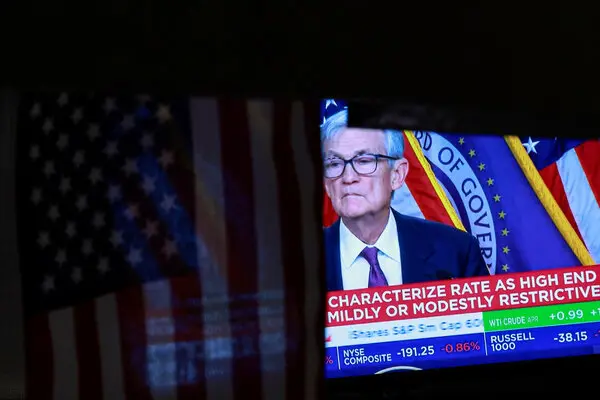
The federal reserve interest rates 2026 update is one of the most closely watched economic developments this year. As inflation remains a concern and economic growth shows mixed signals, the Federal Reserve’s decisions on interest rates are directly impacting mortgages, credit cards, savings, and overall financial stability in the United States.
Understanding these updates can help individuals and businesses make smarter financial decisions in a changing economic environment.
Where Interest Rates Stand in 2026
In early 2026, the Federal Reserve has taken a cautious approach to interest rates. After aggressive rate hikes in previous years to combat inflation, policymakers are now balancing the need to control prices with the risk of slowing down the economy.
Rates are currently at elevated levels compared to pre-pandemic years, reflecting ongoing concerns about inflation. However, the pace of increases has slowed, and discussions have shifted toward whether cuts might happen later in the year.
Why the Fed Is Holding or Adjusting Rates
The Federal Reserve uses interest rates as a tool to manage inflation and economic growth. In 2026, several key factors are influencing its decisions:
Persistent Inflation
Although inflation has cooled compared to its peak, it remains above the Fed’s target of 2%. Rising costs in energy, housing, and services continue to put pressure on consumers.
Slower Economic Growth
Economic growth has shown signs of slowing, with reduced consumer spending and cautious business investment.
Labor Market Strength
The job market remains relatively strong, giving the Fed some flexibility to keep rates higher without immediately triggering widespread unemployment.
Global Uncertainty
Geopolitical tensions and global economic instability are also affecting the Fed’s outlook, making policymakers more cautious.
How Interest Rates Affect Everyday Americans
The federal reserve interest rates 2026 update has real-world consequences for millions of people across the country.
Mortgage Rates
Higher interest rates mean higher monthly payments for homebuyers. Mortgage rates remain elevated, making it more expensive to buy a home or refinance.
Credit Cards and Loans
Credit card interest rates are closely tied to Fed rates. As a result, borrowing costs remain high, increasing debt burdens for many households.
Savings and Investments
On the positive side, higher rates benefit savers. Savings accounts, CDs, and other fixed-income investments are offering better returns than in previous years.
Business Borrowing
Businesses face higher costs for loans, which can slow expansion, hiring, and investment.
Impact on Inflation in 2026
Interest rates play a crucial role in controlling inflation. When rates are high, borrowing becomes more expensive, which reduces spending and slows price increases.
In 2026, the Fed’s strategy appears to be working gradually:
- Consumer demand is cooling
- Price increases are slowing in some sectors
- Inflation expectations are stabilizing
However, challenges remain. External factors like energy prices and supply chain disruptions can still push inflation higher, even with tight monetary policy.
Market Reactions and Economic Outlook
Financial markets are highly sensitive to interest rate changes. In 2026, investors are closely watching every signal from the Federal Reserve.
Stock Market Volatility
Uncertainty about future rate cuts or hikes has led to fluctuations in stock prices.
Bond Yields
Bond markets are adjusting to expectations of future rate changes, influencing yields and investment strategies.
Housing Market Trends
The housing market remains under pressure due to high mortgage rates, with slower sales and limited affordability.
Overall, the economic outlook is mixed. While inflation is easing, growth remains fragile, and the path forward depends heavily on Fed policy decisions.
Will the Fed Cut Rates in 2026?
One of the biggest questions surrounding the federal reserve interest rates 2026 update is whether rate cuts are coming.
Some economists believe that if inflation continues to decline, the Fed may begin cutting rates later in the year to support economic growth.
Others argue that the Fed will keep rates higher for longer to ensure inflation is fully under control.
Possible scenarios include:
- Gradual Rate Cuts: If inflation drops steadily
- Rate Pause: If economic conditions remain uncertain
- Further Hikes: If inflation unexpectedly rises again
For now, the Fed is signaling patience and flexibility.
What You Should Do Financially
Given the current interest rate environment, individuals can take several steps to stay financially prepared:
- Focus on paying down high-interest debt
- Lock in fixed rates where possible
- Build savings to take advantage of higher returns
- Be cautious with large financial commitments
Staying informed about Fed decisions can help you make better financial choices in 2026.




One Comment on “Federal Reserve Interest Rates 2026 Update: What It Means for Americans”