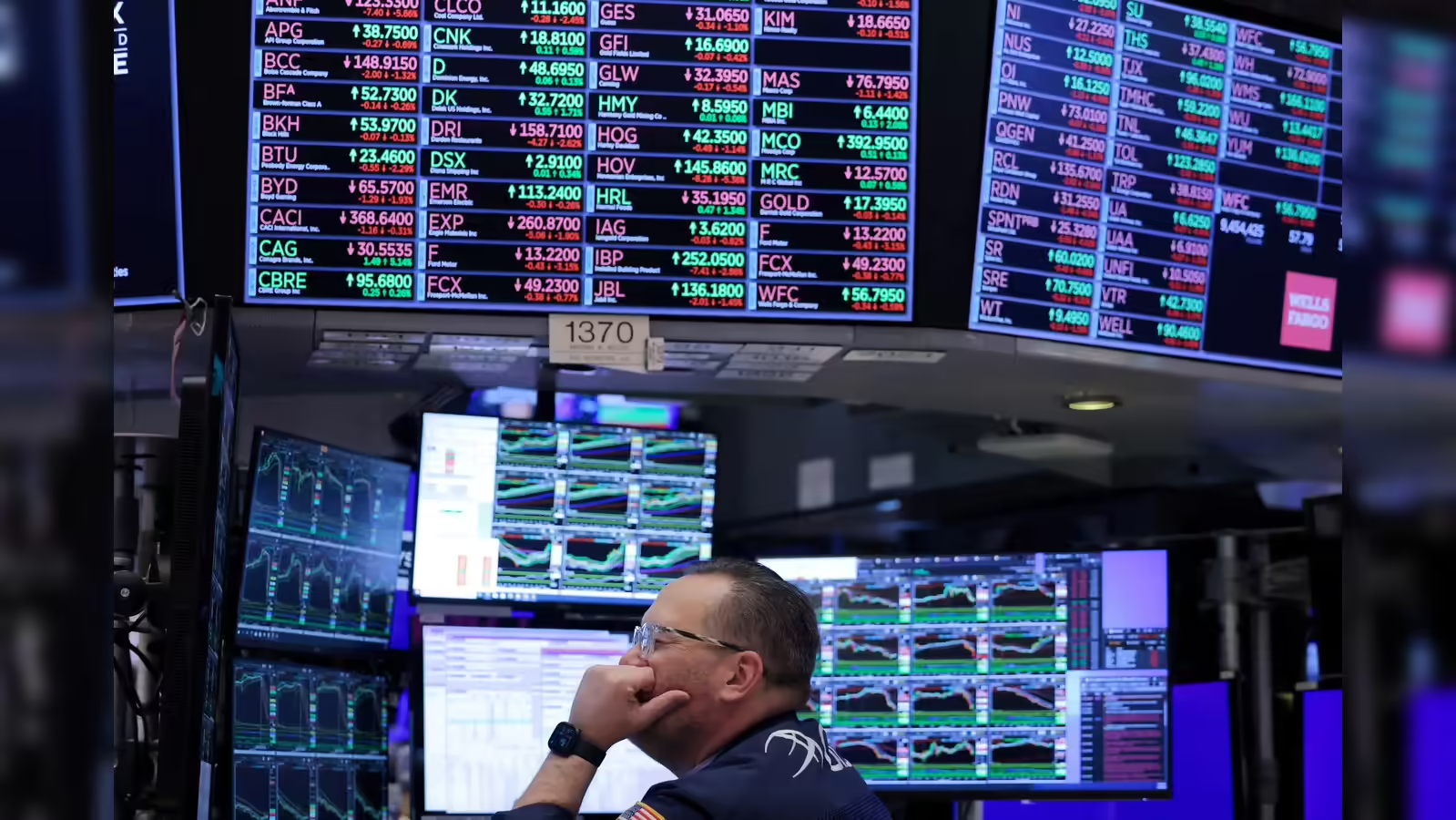
Wall Street is deep in correction territory as of March 28, 2026 — and millions of investors are asking the same question: what are the best stocks to buy right now? The Dow Jones has fallen into correction, the S&P 500 just posted its fifth straight losing week, and the Nasdaq is down more than 13% from its October peak. With the Iran war battering oil markets, stagflation fears rising, and tech stocks under heavy pressure, the investment landscape has rarely felt this uncertain. But history shows that market corrections also create some of the best long-term buying opportunities. Here is everything you need to know — the best stocks to consider, what is driving the selloff, and how to protect your portfolio right now.
1. What Is Happening to the Stock Market Right Now?
To understand where to invest, you first need to understand what is driving the current selloff. The Dow Jones Industrial Average lost 793.47 points, or 1.73%, on Friday March 28, closing at 45,166.64. The S&P 500 dropped 1.67% to a seven-month low of 6,368.85, and the Nasdaq Composite declined 2.15% to settle at 20,948.36. All three major averages have fallen more than 7% month to date — making this Wall Street’s longest losing streak since 2022.
The single biggest driver of the selloff is the US-Iran war, which began on February 28 when the US and Israel attacked Iran’s energy infrastructure. The conflict has pushed Brent crude oil past $112 per barrel, raised inflation fears, and triggered warnings of stagflation — the toxic combination of slow growth and rising prices. The 10-year Treasury yield has climbed to 4.41%, its highest level since July 2025, further pressuring growth stocks and tech valuations.
2. Should You Sell Your Stocks Now — Or Buy the Dip?
This is the question every investor is wrestling with right now. The honest answer depends on your time horizon, risk tolerance, and portfolio composition. Here is what top analysts are saying this week.
Bank of America released a note this week naming five tech stocks to buy as market turbulence continues, arguing that the selloff has created compelling entry points in names with strong long-term fundamentals. Meanwhile, hedge fund veterans are urging investors to “prepare for the worst” — warning that there is no obvious catalyst for good news in the next few days, and that the Iran war could drag on through April.
The key takeaway: if you have a long time horizon of five years or more, history strongly favors buying during corrections. The S&P 500 has recovered from every correction in its history. If you are close to retirement or need liquidity, a more cautious approach is warranted.
3. Best Stocks to Buy During the March 2026 Market Correction
Here are the categories and names getting the most attention from Wall Street analysts right now as potential buys during the current downturn:
Nvidia (NVDA) — Nvidia has dropped more than 10% in 2026, but analysts at Wolfe Research argue the company’s new Groq LPX compute racks represent a very significant incremental revenue opportunity that the market is not yet fully pricing in. For long-term investors, the AI infrastructure thesis remains intact.
Meta Platforms (META) — Meta is among the most oversold stocks on Wall Street after another brutal losing week driven by legal headwinds. For investors willing to look past the near-term noise, Meta’s advertising business and AI investments remain among the strongest in tech.
Defense Tech Stocks — The Iran war is defense technology’s chance to shine, according to analysts tracking the sector. Companies with proven systems and government contracts are attracting significant interest from institutional investors rotating out of growth and into defense.
Energy Stocks — With Brent crude topping $112 per barrel, energy companies are generating enormous cash flows. Oil and gas majors are among the few sectors posting gains in the current environment. Watch for dividend increases and buyback announcements in the weeks ahead.
Fintech Bargains — Several fintech stocks are described by analysts as being stuck in a multi-year rut but showing signs of a turnaround. For value-oriented investors, the current selloff may be creating entry points in names that have been overlooked during the bull market years.
4. IRS Tax Refund Update — Good News for American Households
Amid all the market gloom, there is one piece of genuinely positive financial news for American households this week. The average IRS tax refund is up 10.9% compared to the same period last year, according to the latest filing data released this week. For millions of Americans, this represents a meaningful injection of cash that could help offset rising fuel costs and the broader impact of inflation driven by the Iran war. Financial advisors recommend using tax refunds to pay down high-interest debt, build emergency funds, or — for long-term investors — take advantage of the current market correction by adding to diversified index fund positions.
5. Private Credit Market — New Warning Signs
Beyond stocks and oil, another corner of the financial market is flashing warning signs that sophisticated investors are watching closely. The private credit market — which has grown enormously over the past decade as institutional and retail investors chased higher yields — is now facing headwinds. A wave of fund withdrawals has raised anxieties, and concerns about opacity, complexity, and hidden risks in private credit portfolios are growing louder on Wall Street.
The situation is particularly notable because retail investors have poured significant sums into private credit funds in recent years, attracted by yields well above those available in public markets. As liquidity concerns mount and the broader market environment deteriorates, analysts are warning that some of these vehicles may face pressure in the months ahead.
6. What to Watch Next Week: Key Dates for Investors
Monday, March 30 — TSA agents expected to receive their first paychecks after weeks without pay, which could ease the government shutdown pressure on DHS and potentially reduce one source of market uncertainty.
Tuesday, April 1 — Consumer Confidence data due. Nike and McCormick earnings reports. NASA Artemis II launch attempt at 6:24 PM ET — a rare positive news event that could briefly lift sentiment.
Wednesday, April 2 — ADP Employment Survey and ISM Manufacturing data. Conagra Brands earnings.
Friday, April 4 — Monthly Jobs Report. Unemployment rate expected to hold at 4.4%. Markets closed for Good Friday — thin liquidity could amplify any market moves Thursday afternoon.
Sunday, April 6 — Trump’s Iran strike deadline expires. This is the single most important date on the calendar for global markets right now. A diplomatic resolution would likely trigger a sharp relief rally. An escalation would push oil prices even higher and extend the market correction.
Quick Facts: Finance News — March 28, 2026
| Indicator | Value | Status |
|---|---|---|
| Dow Jones | 45,166.64 | Correction (−7%+ MTD) |
| S&P 500 | 6,368.85 | 7-Month Low |
| Nasdaq | 20,948.36 | −13% from Oct peak |
| Brent Crude | $112+ / bbl | Multi-year High |
| 10-Year Yield | 4.41% | 7-Month High |
| IRS Tax Refund | +10.9% YoY | Positive |
| Iran Deadline | April 6, 2026 | Critical Date |
Final Thoughts
The US financial markets are navigating one of their most challenging stretches since 2022. The Iran war, surging oil prices, stagflation fears, and a correction in tech stocks have created enormous uncertainty for investors of all kinds. But for those with a long time horizon, market corrections have historically been among the best moments to build wealth — provided you invest in quality companies and diversified index funds rather than speculative names.
Up Next: US Politics 2026: Latest News, Key Issues & Election Updates in America