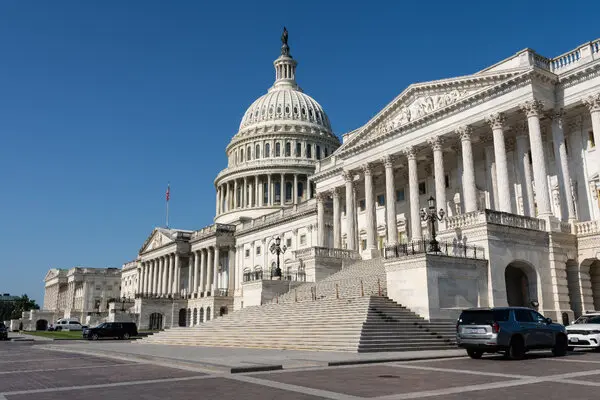
The us senate war powers vote iran has become one of the most critical political developments of 2026. As tensions between the United States and Iran escalate, lawmakers in Washington are debating who should have the authority to decide military action—the president or Congress.
The recent Senate vote highlights deep divisions in U.S. politics and raises major questions about constitutional power, national security, and America’s role in global conflicts.
What Is the War Powers Resolution?
The War Powers Resolution of 1973 was designed to limit presidential authority when it comes to military action. It requires the president to consult Congress before deploying U.S. forces and mandates approval for prolonged conflicts.
In simple terms, it ensures that:
- Congress has a say in decisions about war
- Presidents cannot engage in long-term military actions without approval
- Military operations must be justified and monitored
The us senate war powers vote iran centers on whether these rules are being followed in the current conflict.
What Happened in the 2026 Senate Vote?
In March 2026, the U.S. Senate voted on a resolution aimed at limiting presidential authority over military operations in Iran.
The key outcome:
- The resolution failed in a 53–47 vote
- Most Republicans voted against the measure
- A few lawmakers crossed party lines
The proposal would have required the president to seek congressional approval before continuing military action against Iran. However, its failure means current operations can continue without new authorization.
This marks another unsuccessful attempt by Congress to assert control over war powers during the ongoing conflict.
Why the Vote Matters
The us senate war powers vote iran is about more than just one conflict—it’s about the balance of power in the U.S. government.
Presidential Authority
Supporters of the current policy argue that the president must have flexibility to respond quickly to threats. They believe limiting authority during an active conflict could weaken national security.
Congressional Oversight
Opponents argue that the Constitution gives Congress the sole power to declare war. They say allowing military action without approval sets a dangerous precedent.
Constitutional Debate
At its core, this vote reflects a long-standing debate over who should control military decisions in the United States.
Political Divide in Washington
The vote revealed strong political divisions:
- Most Republicans supported continued presidential authority
- Most Democrats pushed for congressional oversight
- A small number of lawmakers broke from their parties
This divide reflects broader disagreements about foreign policy, national security, and executive power.
Lawmakers backing the resolution argued that the U.S. risks entering prolonged conflict without proper debate. Meanwhile, opponents insisted that the military campaign is necessary and time-sensitive.
Context: Ongoing Conflict With Iran
The Senate vote comes amid an escalating military campaign involving the United States and Iran.
Recent developments include:
- Expanded U.S. strikes targeting Iranian military infrastructure
- Increased regional tensions in the Middle East
- Concerns about global economic impact, including oil prices
Defense officials have stated that the mission aims to weaken Iran’s military capabilities and prevent future threats.
At the same time, intelligence briefings to Congress have raised questions about the scale and justification of the operation.
What Happens Next?
Even though the resolution failed, the debate is far from over.
Lawmakers who support limiting presidential war powers have indicated they will continue pushing for new votes and legislation.
Possible next steps include:
- New war powers resolutions in Congress
- Increased oversight hearings
- Public debate ahead of future elections
However, any successful measure would likely face significant political challenges, including the possibility of a presidential veto.
Impact on US Policy and Global Relations
The outcome of the us senate war powers vote iran could have long-term consequences.
US Foreign Policy
The decision signals continued executive control over military operations, which may shape how future conflicts are handled.
Global Perception
Allies and adversaries are closely watching how the U.S. balances power between branches of government during wartime.
Economic Effects
Ongoing conflict with Iran has already impacted global markets, especially oil prices, which can influence inflation and economic stability.
Conclusion
The us senate war powers vote iran highlights a crucial moment in American politics. While the Senate chose not to limit presidential authority, the debate over war powers is far from settled.
As tensions with Iran continue, questions about accountability, constitutional authority, and national security will remain at the forefront. For Americans, this issue is not just about foreign policy—it’s about how decisions of war and peace are made in a democracy.


2 Comments on “US Senate War Powers Vote on Iran: What Happened and Why It Matters”